
Best Lake Texoma Fishing Guides
Author: Steve Buckley & Aaron Sharp
Role: Best Lake Texoma Fishing Guides
Last Updated: April 16, 2026
Phone: 503-979-8253
Quick Answer: What makes fishing Lake Texoma so good?
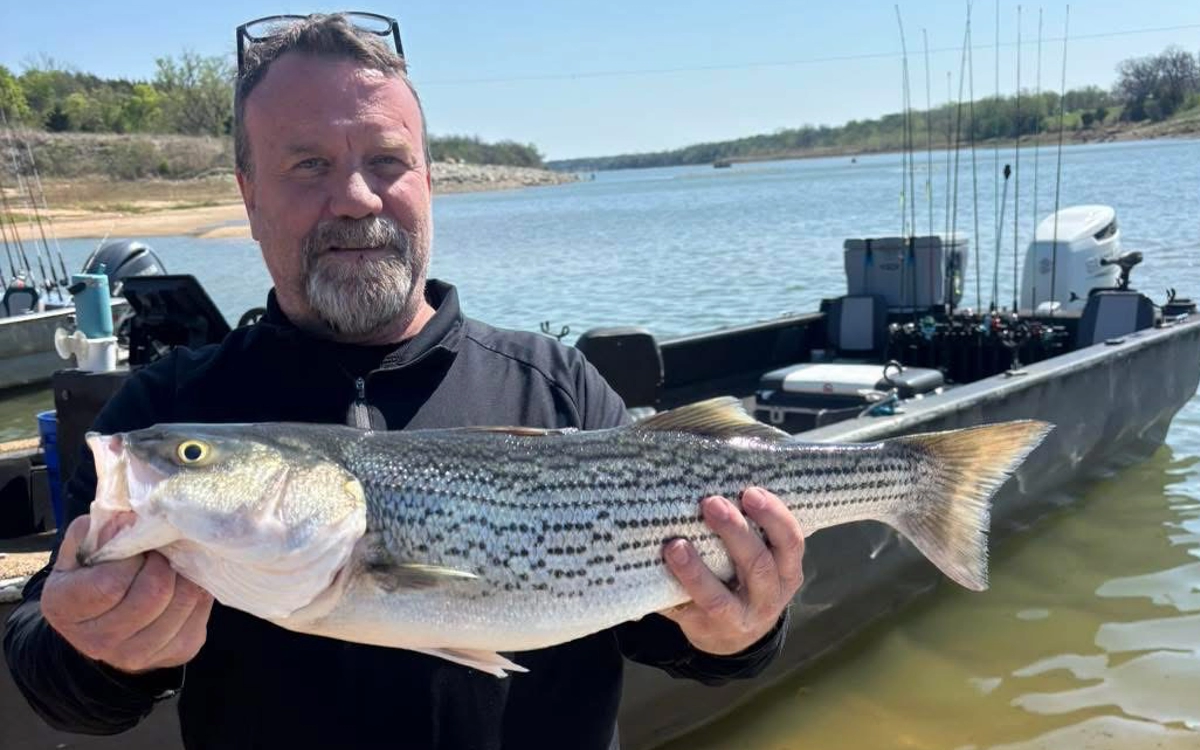
Lake Texoma is one of the most respected striped bass lakes in the country because it gives anglers a rare mix of numbers, size, and year-round opportunity. The lake supports a strong baitfish population, a self-sustaining striped bass fishery, and enough size and structure to keep fish moving and feeding in every season. The Best Lake Texoma Fishing Guides help anglers stay on active fish by adjusting to bait movement, wind, water conditions, and seasonal depth changes. For beginners and experienced anglers alike, Lake Texoma offers some of the most dependable striper fishing in Texas and Oklahoma.
Lake Overview
Lake Texoma is a massive reservoir on the Texas-Oklahoma border, formed by Denison Dam on the Red River. It covers roughly 89,000 acres and stretches across a large, diverse fishery with open water, creek channels, flats, ledges, points, and river-influenced structure. From a fishing standpoint, that variety is a major reason the lake stays productive through changing weather and seasonal transitions.
What makes Texoma different from many other reservoirs is its long-standing reputation as a striped bass destination. This is not just a lake where stripers are present. It is a lake built around striper culture, guide fishing, and repeat clients who come back year after year for consistent action. Lake Texoma has earned that reputation because the forage base is strong, fish have room to roam, and the lake offers enough current influence and depth variation to support patterns with both live bait and artificials.
Threadfin shad and gizzard shad are the fuel that drives this fishery. When bait is plentiful and grouped up, striped bass and white bass stay active and feed aggressively. That is why serious guides spend so much time studying electronics, watching bird activity, tracking bait schools, and staying mobile. On Texoma, fishing success usually starts with finding the groceries.
The lake also pulls anglers from a wide regional footprint. Pottsboro, Sherman, and Denison anglers have quick access, but Texoma also draws steady traffic from Dallas, Fort Worth, Denton, and Oklahoma City. It is close enough for day trips, strong enough for destination fishing, and productive enough to justify hiring a guide if someone wants to shorten the learning curve and catch fish faster.
Fish Species in Lake Texoma
Striped Bass
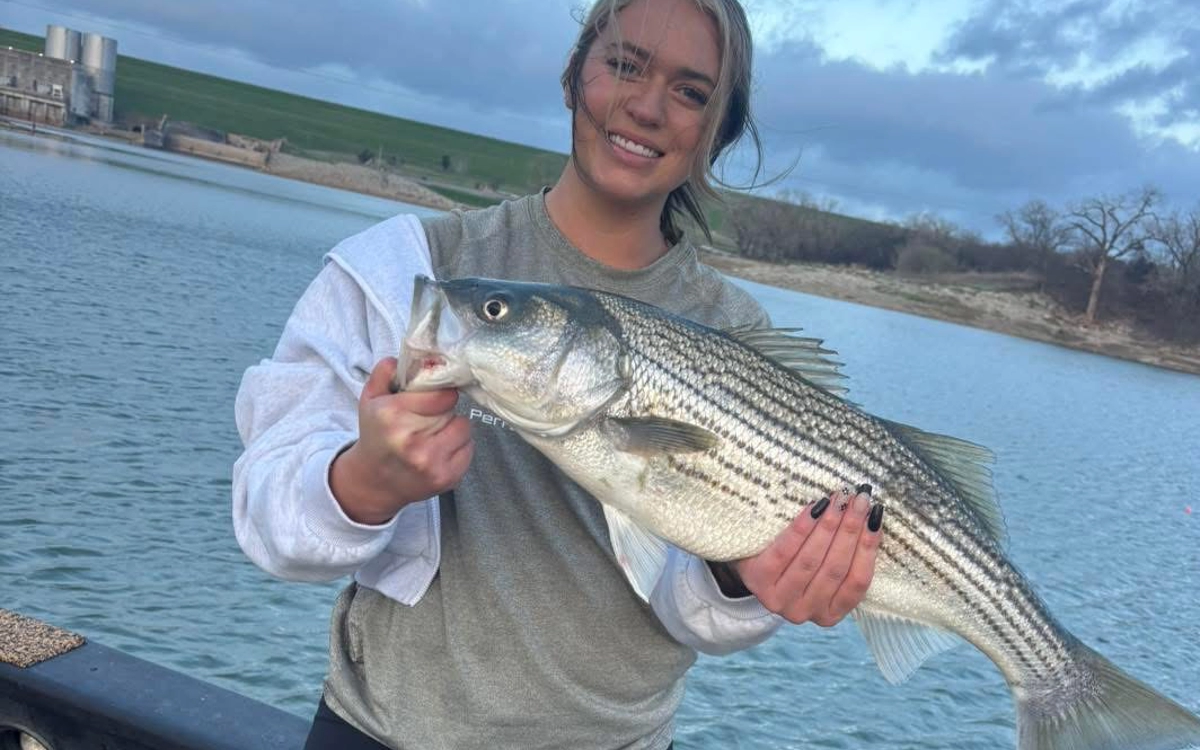
Striped bass are the headline species on Lake Texoma and the main reason most anglers book a trip. These fish are powerful, aggressive, and built for open-water feeding. Schooling stripers may be found chasing shad in large groups, suspended over deeper water, or holding near channels and structural transitions depending on season and weather.
A typical Lake Texoma striped bass might range from a few pounds into the solid mid-sized class, but the lake is fully capable of producing heavier fish that make a trip memorable. What keeps anglers coming back is not just trophy potential. It is the fact that Texoma often gives fishermen a legitimate shot at both quality and numbers on the same outing.
Live bait is one of the most consistent ways to target stripers, especially when fish are keyed in on natural forage or holding at a specific depth. Artificial lures also play a major role, particularly when fish are schooling, feeding aggressively, or reacting to fast-moving presentations. This flexibility is one of the reasons Lake Texoma appeals to many styles of anglers.
White Bass
White bass are another major part of the Texoma experience. They school aggressively, feed hard, and often provide fast-paced action that keeps rods bent and clients engaged. While striped bass may be the primary draw, white bass help make the lake a fun and productive fishery for families, groups, and anglers who simply want steady bites.
White bass often push bait near the surface, gather around active feeding zones, and respond well to casting lures and vertical presentations. When they are grouped tightly and feeding well, they can turn an ordinary morning into nonstop action.
Multiple-Species Opportunity
Many guided trips on Lake Texoma focus on striped bass first, but the reality is that anglers often encounter white bass in the same general feeding systems. That overlap adds value to the fishery and helps keep action going when conditions shift. On a good day, anglers may catch both species while using similar electronics-based approaches, bait patterns, and open-water search tactics.
Best Fishing Techniques for Lake Texoma
Lake Texoma rewards anglers who stay adaptable. There is no single method that works every day in every season. The best guides on the lake succeed because they know when to slow down, when to cover water, when to fish vertically, and when to cast at feeding fish.
Live Bait Fishing
Live bait remains one of the most reliable techniques on Lake Texoma. Fresh shad closely matches the natural forage that striped bass feed on every day, so it gives anglers a realistic presentation even when fish are pressured or not fully committed to chasing artificials. Live bait is especially strong when fish are suspended over deeper water or relating to a specific depth zone shown on electronics.
A guide can adjust leader length, bait size, and presentation depth to stay in the strike zone. That matters on Texoma because stripers may be stacked tightly around bait schools one day and spread out over larger areas the next.
Swimbait Fishing
Swimbaits are a staple lure on Lake Texoma because they imitate shad well and allow anglers to fish efficiently over active schools. They can be counted down to suspended fish, cast over open-water feeding areas, or retrieved through likely bait concentrations. A swimbait gives anglers the ability to cover water and locate fish without waiting on a passive presentation.
This technique is especially effective when stripers are moving, feeding aggressively, or suspended high enough in the water column to respond to a horizontal presentation.
Slab Spoon Fishing
Slab spoons are one of the most dependable vertical tools on the lake. When fish stack under the boat or hold deeper around bait, a slab spoon can be dropped directly into the zone and worked with controlled lifts and falls. The flash and flutter mimic injured baitfish, and that often triggers reaction bites from striped bass and white bass alike.
This is a classic cold-water and deep-water Texoma method, but it can also produce whenever fish are concentrated below the boat and willing to react vertically.
Vertical Jigging
Vertical jigging overlaps with slab spoon fishing but also includes other jigging presentations used when fish are deep and tightly grouped. It is a precise, electronics-driven method built around putting a lure directly in front of feeding fish. When stripers are not chasing far, this can be one of the most efficient ways to get bit.
Drifting
Drifting is another practical Lake Texoma technique, particularly when fish are spread over broader areas or using flats adjacent to channels and depth changes. Drifting lets anglers present baits naturally while covering water. On some days it is the best way to contact roaming fish that are feeding but not grouped tightly enough for stationary presentations.
Topwater Casting
Topwater fishing is one of the most exciting parts of the Lake Texoma experience. When striped bass or white bass push shad to the surface, topwater plugs can draw explosive strikes that clients remember for years. These windows may not last all day, but they can be some of the most visual and aggressive feeding opportunities on the lake.
Topwater action is most common during low-light periods, on windy mornings, around active bait, or whenever fish are corralling shad upward. Guides watch closely for birds, nervous bait, and sudden surface eruptions because topwater opportunities often appear fast and disappear just as quickly.
Best Lures for Fishing Lake Texoma
Swimbaits
Swimbaits are among the best all-around artificials for Lake Texoma stripers. They resemble young shad, move naturally through the water, and let anglers fish both actively feeding and suspended fish. Most guides lean toward baitfish profiles that match local forage rather than loud, unrealistic colors.
Swimbaits shine when fish are roaming, suspended, or willing to track a lure horizontally. They are especially useful when a guide wants anglers casting and covering water instead of waiting on a stationary setup.
Slab Spoons
Slab spoons are a proven Lake Texoma producer because they can be fished vertically with speed and precision. They are excellent when fish are showing under the boat, grouped on electronics, or feeding deeper than a cast-and-retrieve lure can reach efficiently.
The lift-fall motion matters. Too much movement can pull the lure away from fish. Controlled lifts, drops, and attention to line movement usually produce the best results.
Live Bait
Live shad remains one of the strongest options on the lake because it closely matches what striped bass already want to eat. When conditions get tough, live bait often outproduces artificials simply because the presentation is natural. It is also a strong confidence-builder for beginners because the bait does much of the attracting on its own.
Artificial Lures
Artificial lures can outproduce live bait when fish are feeding aggressively, when schools are moving quickly, or when anglers need to cover water. They also make fishing more interactive. Clients get to cast, work the lure, and react to fish behavior in real time. On many Lake Texoma trips, the best plan is to stay flexible and use whatever presentation best matches the mood of the fish.
Topwater Plugs
Topwater plugs deserve a place in any serious Lake Texoma lure discussion. Walking baits, pencil-style surface plugs, and other topwater offerings can be outstanding when striped bass and white bass are pushing bait to the top. This is one of the best ways to generate explosive strikes and take advantage of short feeding windows.
Topwater plugs are most productive during early morning, late evening, overcast conditions, or windy periods that help break up the surface. Long casts are important, especially when fish are schooling away from the boat. A steady walk-the-dog action often works well, but there are days when a faster, more aggressive retrieve gets better reactions. When Texoma fish are actively feeding near the surface, topwater plugs are not just fun. They are a legitimate fish-catching tool.
Seasonal Fishing Guide
Spring Fishing
Spring is one of the most popular times to fish Lake Texoma because fish become more active, bait movement improves, and weather patterns often set up productive feeding windows. As water temperatures rise, striped bass and white bass begin shifting out of winter patterns and using more transitional structure, shallower zones, and current-influenced areas.
This is a strong season for anglers who want active fish and a realistic shot at both numbers and quality. Fish may still change depth quickly during spring weather swings, but guides who stay on bait and read electronics well can put clients on excellent action.
Summer Fishing
Summer fishing on Lake Texoma often centers around bait location, deeper water, and feeding periods that can intensify during lower-light windows. Fish may hold deeper during bright conditions, but that does not mean the bite slows down across the board. It means anglers need to stay tuned in to where the bait is positioned and how fish are relating to it.
Live bait becomes especially important in summer, though artificials still produce when schools are active. Early morning topwater windows can also be excellent when fish pin shad near the surface. Summer can offer some of the most fun action of the year for anglers willing to start early and fish smart.
Fall Fishing
Fall is a favorite season for many Lake Texoma anglers because fish tend to feed aggressively as temperatures moderate and bait activity remains strong. Schooling behavior often becomes more visible, and this is a great time to watch for surface action, diving birds, and active open-water feeding zones.
Topwater plugs, swimbaits, and other reaction lures can shine in fall when fish are willing to chase. It is a season that often rewards mobility and fast decision-making.
Winter Fishing
Winter fishing on Texoma is often more technical, but it can be extremely productive. Fish usually hold deeper and may stay grouped around channels, ledges, or concentrated bait. Vertical presentations like slab spoons and jigging techniques become especially valuable because they let anglers fish directly in the zone.
This season tends to reward patience, electronics skill, and exact presentations. For anglers who enjoy a more focused style of fishing, winter on Lake Texoma can be excellent.
Best Areas to Fish the Lake
The best Lake Texoma guides do not rely on secret bank names alone. They rely on categories of productive water and the daily signs that tell them where fish are most likely to feed.
Creek channels are key travel routes. Baitfish use them, predator fish follow them, and they often connect shallow feeding areas with deeper holding zones. A nearby flat or ledge can make a channel edge even more productive.
Open-water bait schools are another major focus. On Texoma, finding suspended bait is often the first step toward finding striped bass. Electronics are critical here because much of the action happens away from visible shoreline targets.
Wind-blown areas can also be highly productive. Wind pushes plankton, baitfish, and feeding activity into certain zones, especially when the lake sets up right. Many anglers dislike fishing in the wind, but on Texoma, wind often helps rather than hurts.
Depth changes matter too. Ledges, subtle breaks, drops near flats, and transitions from one type of water to another all give fish an edge. The common theme is simple: productive Texoma water usually combines bait, movement, and structure.
Weather and Water Conditions
Wind is one of the most important fishing factors on Lake Texoma. A little wind often improves the bite by positioning baitfish, breaking up the surface, and making predator fish more comfortable feeding. Too much wind can create boat-control issues, but in general, many successful guide trips are built around windy conditions rather than calm ones.
Sunlight changes fish behavior as well. Bright skies may push fish deeper or reduce surface activity during midday. Cloud cover often helps extend active feeding windows and improve artificial-lure opportunities.
Water clarity also affects lure choice and presentation. In cleaner water, more natural profiles and realistic retrieves tend to work better. In stained conditions, fish may rely more on vibration, flash, and stronger visual contrast.
Seasonal water temperature shifts drive the biggest pattern changes. Warmer periods often increase movement and feeding activity, while colder water tends to group fish more predictably in deeper zones. Understanding those temperature-driven changes is a big reason guides stay consistent.
Fishing with a Guide
Fishing with a guide on Lake Texoma gives anglers a major advantage because the lake is too large and too dynamic to learn quickly by random trial and error. A guide brings current pattern knowledge, strong electronics skills, and a working understanding of where bait and fish are most likely to be on a given day.
For beginners, that means less guesswork and more actual fishing. For experienced anglers, it means learning how professionals break down the lake, choose presentations, and make fast adjustments as fish move. A good guide also handles boat setup, bait preparation, seasonal decisions, and safety concerns, allowing clients to focus on catching fish.
On a high-level fishery like Texoma, local knowledge matters. Seasonal pattern knowledge matters. Electronics matter. Time on the water matters. Hiring a guide compresses all of that into one trip and helps anglers enjoy the best part of the experience instead of burning hours trying to locate fish from scratch.
Frequently Asked Questions
What is the best time to fish Lake Texoma?
Spring and fall are often considered the best overall seasons because fish feed aggressively and patterns can be easier to track. That said, Lake Texoma offers year-round opportunity, and each season can be productive with the right technique.
What species can you catch on Lake Texoma?
The main species covered on this page are striped bass and white bass. These are the two primary targets for many guided trips and the reason Texoma has such a strong regional and national reputation.
Do you need a fishing guide on Lake Texoma?
You do not need a guide to fish the lake, but hiring one can dramatically improve your results. A guide helps anglers locate active fish faster, understand seasonal movement, and use the most productive presentations for the conditions.
What bait works best on Lake Texoma?
Live shad is one of the most effective baits on Lake Texoma because it matches the forage base naturally. Swimbaits, slab spoons, and topwater plugs can also be excellent depending on season and fish behavior.
What depth do fish hold on Lake Texoma?
There is no single depth that always holds fish on Texoma. Stripers and white bass may feed near the surface during active windows, suspend over open water, or hold deeper near channels and structure depending on water temperature, sunlight, and bait location.
Are topwater plugs good on Lake Texoma?
Yes, topwater plugs can be very effective when fish are feeding near the surface. They are especially productive during low-light periods, windy mornings, and short schooling windows when stripers or white bass push shad upward.
Is Lake Texoma good for beginners?
Yes, it is one of the better big-water fisheries for beginners because it offers strong action, quality fish, and a long guide tradition. With the right guide, new anglers can learn quickly and have a productive trip.
Why is Lake Texoma famous for striped bass?
Lake Texoma is famous for striped bass because it has long been one of the top striper fisheries in the region. Its forage base, habitat diversity, and history of strong striped bass fishing have made it a destination lake for decades.
Book a Fishing Trip
A guided trip on Lake Texoma is the best way to shorten the learning curve and spend more time actually catching fish. Whether you want to target striped bass with live bait, cast artificials at active schools, or learn how experienced guides break down the lake, booking a trip gives you a practical path to success. The best Lake Texoma trips are built around current conditions, fish movement, and a flexible approach that matches the day.
Aaron Sharp is one of the most consistent guides on Lake Texoma. Anglers looking for adaptable, year-round success can learn more on his full profile page.
You can also visit his official guide service website for availability and booking.
Aaron Sharp
Known for adaptable, year-round striper patterns
Steve Buckley is one of the most experienced guides on Lake Texoma. Anglers looking for a proven, results-driven approach can learn more on his full profile page.
You can also visit his official guide service website for availability and booking.
Steve Buckley
Based out of Pottsboro, TX • 25+ years experience
Service Areas
Anglers visit Lake Texoma from:
Pottsboro TX
Dallas TX
Ft. Worth TX
Oklahoma City OK
Sherman TX
Denison TX
Denton TX
Kingston OK
Trips are adjusted daily based on fish movement, bait activity, seasonal depth changes, and weather conditions so anglers have the best possible chance of finding active fish.
Lake Texoma Fishing Resources
Plan Your Fishing Trip
- How to Book a Fishing Guide on Lake Texoma
- What to Expect on a Guided Fishing Trip
- How Much Does a Lake Texoma Fishing Guide Cost