Best Time to Fish Lake Texoma: Complete Seasonal Striper Guide
Knowing the best time to fish Lake Texoma is the difference between simply going fishing and consistently catching striped bass. While anglers often search for the “perfect month,” seasoned guides understand that successful striper fishing depends on a combination of water temperature, bait movement, seasonal transitions, and fish behavior.
Lake Texoma is widely recognized as one of the premier striped bass fisheries in the United States, offering anglers year-round opportunities to catch quality fish. However, understanding when stripers move, why they move, and where they position themselves is what separates average days from unforgettable ones.
This guide breaks down the seasons, water conditions, spawning patterns, and professional tactics that determine the most productive fishing windows on Lake Texoma.
Best Time to Fish Lake Texoma: Quick Answer
The best time to fish Lake Texoma is typically from March through June and again in the fall months, when striped bass actively follow migrating baitfish and feed aggressively. Water temperature, bait movement, and weather patterns play a bigger role than the calendar, which is why experienced guides focus on seasonal transitions rather than specific dates.
Why Lake Texoma Offers Year-Round Striper Fishing
Unlike many reservoirs that depend entirely on stocking programs, Lake Texoma supports a naturally sustaining striped bass population — one of the few inland fisheries in America where this occurs consistently.
The lake’s unique combination of river flow, forage abundance, and ideal spawning habitat allows striped bass to thrive. Because of this, anglers are not limited to a short seasonal bite. Instead, fishing success simply shifts with changing environmental conditions.
Professional guides don’t ask, “Are the fish biting?”
They ask:
👉 Where is the bait?
👉 What is the water temperature?
👉 How is the wind positioning fish?
Find the bait — and you usually find the stripers.
Understanding Striper Behavior Throughout the Year
Striped bass are constantly on the move. They rarely stay locked onto one structure for long because their primary focus is forage.
Their behavior is driven by three core survival instincts:
✅ Follow baitfish
✅ Seek comfortable water temperatures
✅ Conserve energy when possible
When these factors align, feeding activity can become explosive.
When they don’t, fish may suspend, scatter, or become difficult to pattern.
Understanding this cycle is the foundation of consistently successful fishing.
Striped Bass Spawning Season on Lake Texoma
One of the most fascinating biological advantages of Lake Texoma is that it is one of the rare inland reservoirs where striped bass reproduce naturally.
Most lakes cannot support successful striper spawning because the eggs must remain suspended in moving, oxygen-rich current to survive. If they sink, they perish.
Texoma provides the perfect conditions thanks to the flowing sections of the Red River (Southern United States) and the Washita River, where spring currents carry fertilized eggs until they hatch.
This natural reproduction is a major reason the lake maintains such a strong and stable striped bass population.
When Do Stripers Spawn?
The spawning cycle typically begins when water temperatures reach the mid-50°F range and peaks between 58–65°F.
In most years, this places the spawn between:
👉 Late March and early May
However, temperature — not the calendar — determines the timing.
Warm springs trigger earlier movement, while prolonged cold weather can delay migration.
How Long Does the Spawn Last?
Striped bass spawning activity usually stretches across four to six weeks.
Rather than spawning all at once:
-
Larger females often migrate first
-
Smaller fish follow
-
Multiple spawning waves occur
This staggered process improves survival rates and strengthens future year classes.
How the Spawn Impacts Fishing
During migration, stripers focus more on reproduction than feeding.
Anglers may notice:
-
Schools breaking apart
-
Shorter feeding windows
-
Less predictable patterns
But once the spawn concludes, fish enter a heavy feeding phase — creating some of the best fishing of the entire year.
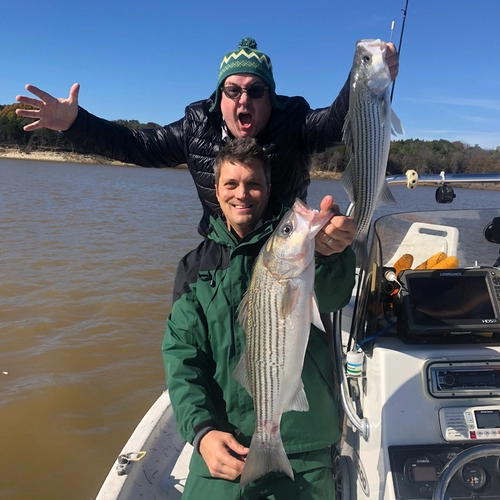
Many guides consider the post-spawn rebound a prime opportunity to catch aggressive stripers.
Water Temperature: The Real Fishing Calendar
Experienced anglers know the calendar means very little compared to water temperature.
Each seasonal threshold triggers predictable biological responses.
50–55°F
Pre-spawn movement begins.
55–65°F
Peak spawning activity.
65–75°F
Post-spawn feeding surge.
75–85°F
Summer patterns establish as fish seek deeper, cooler water.
Below 50°F
Winter slows metabolism, but fishing remains productive with the right tactics.
Guides monitor temperature daily because even a few degrees can reposition entire schools.
Seasonal Breakdown: When Fishing Peaks
Spring: The Awakening
Spring is widely considered one of the best times to fish Lake Texoma.
As the sun climbs higher and days grow longer, rocky shorelines warm quickly. Rock absorbs heat and transfers it into the surrounding water — often raising temperatures faster than other areas of the lake.
After a long winter, baitfish move shallow to take advantage of these warmer zones.
And wherever the shad go…
👉 Stripers follow.
This seasonal migration creates outstanding opportunities for anglers targeting active fish.
Top Spring Patterns:
-
Swimbaits along warming banks
-
Live bait near migration routes
-
Electronics to locate bait clusters
-
Wind-blown shorelines
Spring rewards anglers who stay mobile and follow temperature changes.
Summer: Deep Structure and Precision Fishing
As surface temperatures climb, striped bass transition toward deeper water where oxygen levels and comfort zones stabilize.
The thermocline — a layer separating warm surface water from cooler depths — becomes critical.
Successful anglers focus on:
-
Main lake humps
-
Ledges
-
Drop-offs
-
Submerged structure
Live bait often dominates during summer, while modern electronics allow guides to stay directly over moving schools.
Spot-lock trolling motors have revolutionized this style of fishing by enabling precise boat control without drifting off fish.
Early mornings and late evenings typically produce the strongest bite windows.
Fall: Feeding Season
Ask many veteran guides their favorite time to fish Texoma…
They’ll quietly say:
👉 Fall.
Cooling water triggers bait migrations, and striped bass begin feeding aggressively to prepare for winter.
Surface activity becomes common, often revealed by diving birds.
When you see gulls working the water, it frequently signals stripers pushing shad toward the surface.
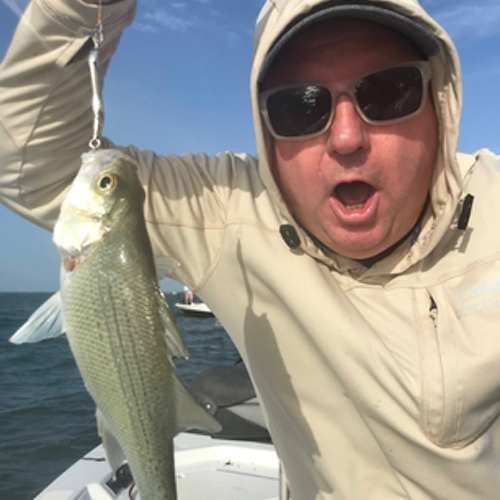
Topwater plugs, splashers, and fast-moving artificial lures can produce explosive strikes during this season.
Wind can be your best friend in fall, positioning bait and concentrating fish.
Winter: The Underrated Trophy Season
While some anglers store their boats for winter, knowledgeable fishermen understand that cold months can offer exceptional opportunities.
Stripers conserve energy in winter but still feed consistently.
Fish typically group tighter, making them easier to target once located.
Vertical presentations shine:
-
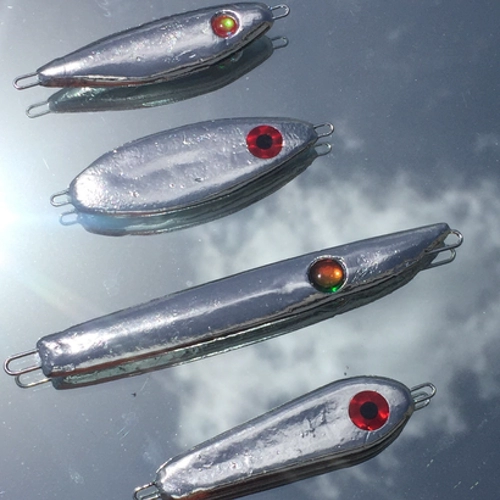
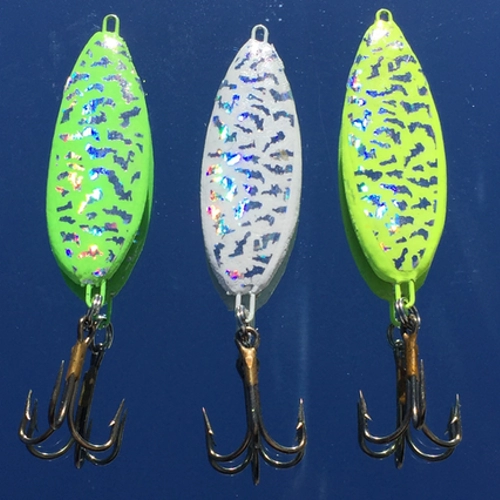
Slab spoons
-
Jigging techniques
-
Dead-sticking
-
Slow live bait
Electronics become the most valuable tool on the boat, allowing anglers to pinpoint schools before dropping a line.
Winter fishing often rewards patience with larger fish.
Bait Movement Drives Everything
Striped bass are rarely far from forage.
On Lake Texoma, the primary menu consists of threadfin and gizzard shad.
Instead of searching blindly for stripers, experienced guides locate bait first.
Because the equation is simple:
No bait = no stripers.
Seasonal bait migrations explain why fish may be shallow one month and deep the next.
Follow the groceries — and you’ll usually find the predators.
Depth Shifts: Think Vertical
Stripers constantly adjust their depth based on comfort and feeding opportunity.
Factors influencing depth include:
-
Sunlight
-
Wind
-
Oxygen levels
-
Water clarity
-
Bait position
Fish may hold deep during bright conditions but push shallow during low light or heavy wind.
Flexibility is critical — yesterday’s depth rarely guarantees today’s success.
Proven Tactics Used by Successful Guides
Artificial Lures
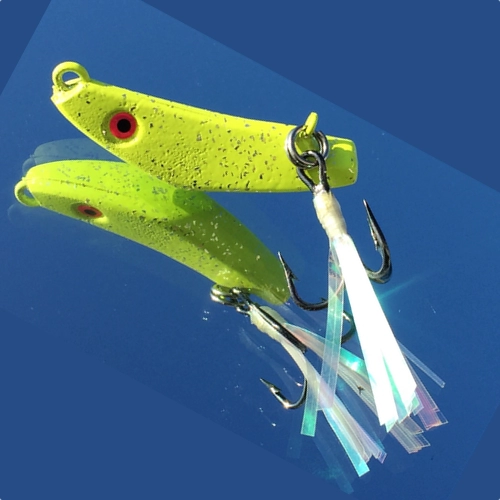
Swimbaits, slabs, and topwater plugs allow anglers to cover water quickly and trigger reaction strikes.
Live Bait
Few presentations outperform lively shad when stripers are pressured or conditions are tough.
Modern Electronics
Forward-facing sonar and side imaging dramatically shorten the search process.
Trolling Motors with Spot Lock
Precise boat control keeps anglers directly above fish — a massive advantage.
Splashers
When fish are feeding upward, surface disturbance can pull schools within casting range.
Technology doesn’t replace skill — but it amplifies it.
Moon Phases and Weather: What Actually Matters?
While moon phases can influence feeding intensity, they should never override bait location and water conditions.
Weather trends often matter more than single-day forecasts.
Stable patterns typically outperform rapidly changing conditions.
Wind, in particular, is frequently an ally — concentrating bait and activating fish.
Why Hiring a Guide Shortens the Learning Curve
Lake Texoma is expansive, dynamic, and constantly changing.
Professional guides spend hundreds of days studying seasonal transitions, bait movement, and fish behavior.
Instead of guessing, they rely on data and experience to locate productive water quickly.
For many anglers, a guided trip compresses years of learning into a single day — dramatically improving success and confidence on future outings.
Final Thoughts: Timing Matters — But Knowledge Matters More
The best time to fish Lake Texoma isn’t defined by a single month.
It’s defined by understanding the environmental signals that control striped bass behavior.
When anglers learn to recognize these patterns — or fish with someone who already has — the lake transforms from intimidating to incredibly predictable.
And that is when truly memorable fishing trips happen.