
What This Guide Covers
Fishing for Striped Bass on Lake Texoma can be incredibly consistent—but only if you understand when to use live bait vs artificial lures. This guide breaks that decision down in a practical, on-the-water way.
If you’re fishing out of Pottsboro or anywhere on Texoma, this is for anglers who want to stop guessing and start making smarter bait choices based on conditions, season, and fish behavior.
Key Takeaways
- Live bait dominates when fish are pressured, deep, or inactive
- Artificial lures excel when stripers are feeding aggressively
- Water temperature and baitfish movement dictate your choice
- Electronics (sonar/graph) help determine bait vs lure decisions fast
- Combining both methods in a single trip often produces best results
- Wind and current can trigger artificial lure bites
Why This Matters
Stripers are opportunistic feeders, but they’re also highly responsive to conditions. Choosing the wrong presentation can mean the difference between a slow day and a full cooler.
On Texoma, fish behavior changes quickly with weather, wind, and bait movement. Anglers who understand when to switch between live bait and artificials consistently outfish those who stick to one approach.
Live Bait vs Artificial Lures for Stripers
When to Use Live Bait
Live bait is your high-percentage play when conditions are tough.
- Cold fronts or post-front conditions
- Fish are deep (20–50 feet) and suspended
- Clear water and high fishing pressure
- Targeting larger, trophy-class stripers
On Texoma, live threadfin shad and gizzard shad are the go-to. Free-lining, down-lining, or slow drifting keeps bait in the strike zone longer.
When to Use Artificial Lures
Artificial lures shine when stripers are actively feeding.
- Birds working (seagulls diving = feeding fish)
- Surface activity or schooling fish
- Windy conditions creating current
- Low light (early morning or late evening)
Top producers include:
- Slab spoons (vertical jigging)
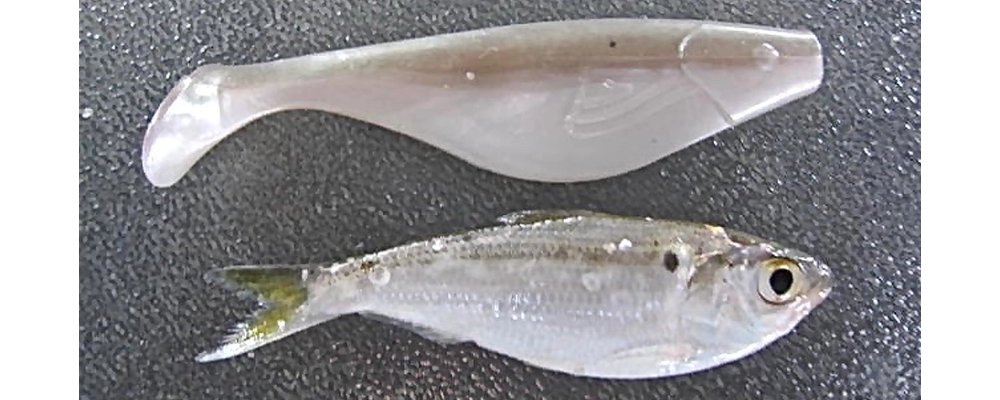
- Swimbaits
- Topwater plugs during aggressive feeds
Artificials allow you to cover water faster and trigger reaction bites.
The Hybrid Approach (Best Strategy)
Most experienced Texoma anglers don’t choose one—they use both.
Start with artificials to locate fish quickly. Once you mark a school or get bites, switch to live bait to maximize your catch rate. This approach blends efficiency with consistency.
Seasonal Patterns (If Applicable)
Spring
Pre-spawn and spawn periods create aggressive fish. Artificial lures can be deadly, especially during windy days. Live bait still works when fish pull deeper.
Summer
Fish move deeper and can get lethargic. Live bait becomes the dominant method, especially mid-day. Early mornings still favor artificials.
Fall
This is prime time. Shad movement triggers feeding frenzies. Artificial lures often outperform live bait, especially when birds are working.
Winter
Cold water slows everything down. Live bait is king. Slow presentations near structure or deep water produce best.
How to Apply This on the Water
Start every trip by scanning for bait and fish using electronics. If you see active fish or birds, grab a rod with artificials and move fast.
If the graph shows suspended fish not actively feeding, switch immediately to live bait. Keep your bait at their level—depth control matters more than anything.
Adjust throughout the day:
- Morning: artificials
- Midday: live bait
- Wind picks up: go back to artificials
Common Mistakes to Avoid
- Sticking to one method all day
- Fishing live bait too fast or out of the strike zone
- Ignoring bird activity (huge mistake on Texoma)
- Using artificials when fish are clearly inactive
- Not matching bait size to local forage
Real-World Fishing Insights
On Texoma, guides consistently see this pattern: anglers throwing artificials during slow periods struggle, while those switching to live bait limit out.
Conversely, when birds are working, anglers dragging live bait often miss fast action that artificial anglers capitalize on.
The best days? When you can do both—find them with lures, fill the box with bait.
FAQ
When should I use live bait for stripers?
Use live bait when fish are deep, inactive, or pressured. It’s the most consistent method in tough conditions.
Are artificial lures better than live bait?
Not always. Artificial lures are better for aggressive fish, while live bait is better for inactive or deep fish.
What live bait works best on Lake Texoma?
Threadfin shad and gizzard shad are the primary forage and produce the best results.
What lures work best for Texoma stripers?
Slab spoons, swimbaits, and topwater plugs are top producers depending on conditions.
Can I catch stripers year-round with artificials?
Yes, but success depends on fish activity. Winter and summer often favor live bait more heavily.
Do guides use live bait or lures?
Most professional guides use both, switching based on conditions to maximize success.
How do I know when to switch techniques?
Watch your electronics, bird activity, and bite response. If one method isn’t working within 15–30 minutes, adjust.
Related Resources
- Complete Guide to Fishing Lake Texoma
- Best Time to Fish Lake Texoma for Stripers
- Best Bait for Striped Bass on Lake Texoma
- Where to Find Stripers on Lake Texoma
- Top Lures for Lake Texoma Stripers
About the Author
Mike Oser is the founder of Best Lake Texoma Fishing Guides. He works closely with professional striper guides to publish real-time fishing patterns, helping anglers consistently catch striped bass on Lake Texoma.
Service Areas
Dallas, TX
Fort Worth, TX
Sherman, TX
Denison, TX
Denton, TX
Oklahoma City, OK
Kingston, OK
Pottsboro, TX
Top Lake Texoma Fishing Guides — Texas & Oklahoma
Ready to plan your Lake Texoma fishing trip? Call 503-979-8253 to explore available guides and book with confidence.
There’s no pressure — just clear information and direct access to trusted local professionals.