
What This Guide Covers
Summer on Lake Texoma is all about staying on fish that are constantly moving with bait and temperature. This breaks down exactly how to find and catch striped bass when the heat pushes them deeper and spreads schools out. If you’re fishing out of Kingston, OK and want consistent bites instead of guessing, this is for you.
Key Takeaways
- Stripers hold deeper in summer—typically 20–40 feet depending on conditions
- Early morning and late evening are your best feeding windows
- Electronics are critical for locating bait and fish
- Vertical jigging and live bait both produce when fish are marked
- Wind and current position fish—don’t ignore them
- Stay mobile—if you don’t see fish, move
Why This Matters
Summer fishing can feel slow if you’re not on the right depth or chasing the right schools. Stripers don’t disappear—they just shift. Understanding where they go and how they feed in warm water is the difference between a tough day and a full cooler.
How-To: Catch Summer Stripers on Lake Texoma
Start your day early. Idle out and begin scanning with sonar before you ever make a cast. You’re looking for bait first—threadfin and gizzard shad—and stripers will be close.
Once you mark fish:
- Position your boat directly over the school using your trolling motor
- Drop a slab spoon or live bait straight down to their depth
- Work vertically—short lifts and controlled drops
- Watch your electronics while fishing—fish move fast
If fish are suspended, keep your bait slightly above them. Stripers feed upward, not down.
If the school disappears, don’t wait it out. Move and relocate them. Summer fish roam, and sitting still is a mistake.
Summer Striper Patterns on Lake Texoma
Summer striper fishing on Lake Texoma is a depth-control game. Once the surface temperature climbs, stripers spend more time around deeper water, bait schools, ledges, humps, creek channels, and main-lake structure.
The best bite is usually early, before boat traffic and heat push fish down or scatter them. During that window, stripers may push shad toward the surface, especially around windy points, flats near deep water, and open-water bait schools.
As the sun gets higher, the bite often turns vertical. This is when electronics, boat control, and keeping your bait in the strike zone matter more than casting distance.
Early Morning Summer Bite
Start looking shallow-to-mid depth before sunrise and through the first couple hours of daylight. Watch for surface activity, nervous shad, birds, and fish breaking water.
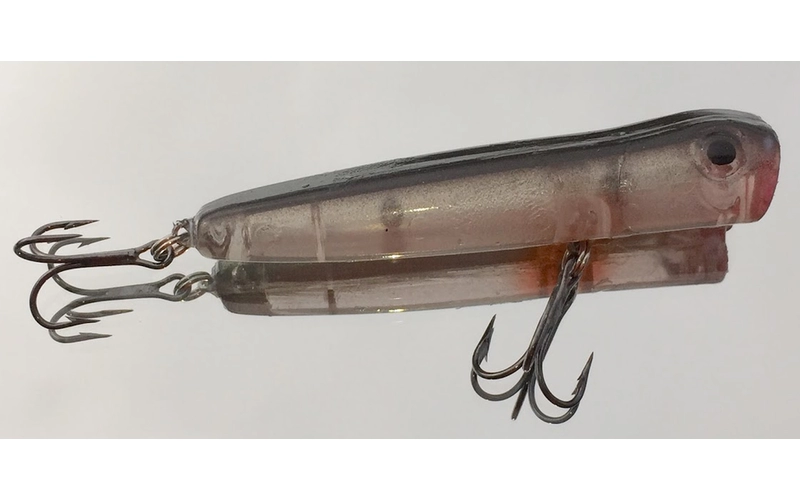
Topwater plugs, swimbaits, and slabs can all work when stripers are chasing bait near the surface. If the fish stop showing up top, do not keep casting blind—drop down and follow them with your graph.
Midday Summer Bite
Midday fish usually slide deeper and become more structure-oriented. Focus on 20–40 feet near ledges, humps, river channels, and bait balls.
This is when vertical jigging slab spoons, dropping live bait, or slow-working lures through marked fish becomes the better move. Keep your lure above the fish, because stripers feed up.
Afternoon and Evening Adjustments
Later in the day, wind can reload areas with bait and create another feeding window. Wind-blown points, main-lake structure, and areas near deeper water are worth checking again.
If the lake is slick calm and hot, expect fish to be less aggressive. Slow down, fish deeper, and rely on your electronics instead of covering random water.
Best Summer Conditions
Summer striper fishing is usually best when there is some wind, bait is grouped up, and fish are actively moving. A light chop can help disguise the boat and push bait into predictable areas.
Flat, bright, high-pressure days can still produce, but you need to be more precise. Find bait first, then fish. Don’t waste time where the screen is empty.
How to Apply This on the Water
Start on main lake structure near deep water—channels, humps, and ledges. Use your graph constantly. If you’re not marking bait, you’re in the wrong area.
Adjust based on conditions:
- Wind blowing into a point or bank? Fish that side
- No current? Fish may scatter—cover more water
- Heavy boat traffic? Slide deeper
Keep your bait in the strike zone. Depth control matters more than lure choice in summer.
Common Mistakes to Avoid
- Fishing too shallow during peak heat
- Not using electronics to locate fish
- Staying in one spot too long
- Dropping bait below the fish instead of above
- Ignoring bait presence
Real-World Fishing Insights
Most productive summer trips on Texoma involve vertical fishing over schools in 25–35 feet. Chartreuse and silver slab spoons consistently produce, especially when fish are tight to bait.
Live bait shines when fish get finicky. Slow-dropping a lively shad into a marked school often triggers bites when artificials won’t.
Big wind out of the south can stack fish on certain structures. Those days can be lights out if you’re positioned correctly.
Slab Spoon-FAQ
What depth are stripers in summer on Lake Texoma?
Most summer stripers hold between 20 and 40 feet, depending on water temperature and oxygen levels.
What is the best time of day to catch stripers in summer?
Early morning and late evening are best, but fish can be caught mid-day if you locate them with electronics.
Are slab spoons effective in summer?
Yes, especially for vertical jigging directly over schools. They mimic injured baitfish and trigger reaction strikes.
Is live bait better than lures in summer?
Live bait can outperform lures when fish are pressured or less aggressive, but both methods work when fish are active.
How do you find stripers on Lake Texoma in summer?
Use sonar to locate baitfish first, then look for arches or clusters of stripers near them.
Do stripers move a lot in summer?
Yes, they follow bait and adjust to conditions, so staying mobile is critical.
Related Resources
- Best bait for Lake Texoma stripers
- Where to fish stripers on Lake Texoma
- Lake Texoma striper fishing hotspots by season
- When do stripers spawn on Lake Texoma
- Top lures for Lake Texoma striped bass
About the Author
Mike Oser is the founder of Best Lake Texoma Fishing Guides. He works closely with professional striper guides to publish real-time fishing patterns, helping anglers consistently catch striped bass on Lake Texoma.
Service Areas
Dallas, TX
Fort Worth, TX
Sherman, TX
Denison, TX
Denton, TX
Oklahoma City, OK
Kingston, OK
Pottsboro, TX
Top Lake Texoma Fishing Guides — Texas & Oklahoma
Ready to plan your Lake Texoma fishing trip? Call 503-979-8253 to explore available guides and book with confidence.
There’s no pressure — just clear information and direct access to trusted local professionals.