
Lake Texoma Water Temperature and Striper Behavior
Quick Answer-Texoma Weather and Fishing
Lake Texoma water temperature directly affects where striped bass feed, how active they become, and which fishing techniques produce the best results. As water temperatures change throughout the year, stripers move between deep river channels, creek channels, offshore humps, and shallow flats while following schools of threadfin shad and gizzard shad. Understanding these seasonal movements allows anglers to consistently locate fish and choose the right presentations for current conditions.
Lake Texoma has earned its reputation as one of the premier striped bass fisheries in the United States because its population of naturally reproducing stripers experiences four distinct seasons. Every season creates predictable feeding patterns that experienced guides use every day to put clients on fish.
Why Water Temperature Matters for Lake Texoma Stripers
If there is one factor that influences striped bass more than any other, it is water temperature.
Many anglers pay close attention to the weather forecast, wind direction, or moon phase, but professional guides often begin every trip by checking current water temperatures. Temperature affects a striper’s metabolism, oxygen requirements, feeding schedule, spawning activity, and daily movements across Lake Texoma.
Striped bass are cold-water fish compared to largemouth bass. They thrive in cooler, oxygen-rich water and spend much of the year following large schools of baitfish into areas that provide the best combination of food and comfortable water temperatures.
Lake Texoma is unique because of its tremendous size, varying depths, numerous creek arms, and the influence of both the Red River and Washita River. Water temperatures can vary several degrees across the lake depending on wind, sunshine, rainfall, inflow, and generation schedules at Denison Dam.
Those small temperature differences often determine whether fish are feeding aggressively or simply resting.
Successful Lake Texoma fishing is rarely about randomly searching for fish. It is about understanding where stripers want to be as water temperatures change.
Professional guides spend years learning these seasonal movements because they repeat themselves every year.
Rather than focusing on a specific GPS coordinate, experienced guides think about water temperature first, then identify the structure, baitfish, and depth most likely to hold active fish.
That approach consistently produces better catches throughout the year.
Understanding the Relationship Between Water Temperature and Striper Behavior
Striped bass are constantly balancing three basic needs:
- Food
- Oxygen
- Comfortable water temperature
When all three come together, fishing can become exceptional.
Threadfin shad and gizzard shad also respond to changing water temperatures. Since stripers spend most of their lives chasing baitfish, understanding bait movements is just as important as understanding the predators themselves.
As temperatures rise in spring, shad migrate into warming coves where spawning activity begins. Stripers soon follow.
During summer, both baitfish and stripers seek cooler water with higher dissolved oxygen levels.
Fall cooling triggers one of the most aggressive feeding periods of the year.
Winter often concentrates fish into predictable locations where they can be caught consistently with slower presentations.
Every season follows this basic cycle.
Water Temperature and Striper Metabolism
Like all fish, striped bass are cold-blooded.
Their body temperature changes with the surrounding water.
As water warms, their metabolism increases.
As temperatures cool, their metabolism slows.
This directly influences:
- Feeding frequency
- Swimming speed
- Digestion
- Energy requirements
- Daily travel distance
When water temperatures reach the ideal range, stripers become extremely active and often feed several times each day.
Outside that comfort zone, fish conserve energy and become much more selective.
Knowing when these transitions occur allows anglers to adjust presentations before the bite slows.
How Water Temperature Changes Fishing Locations
One mistake many anglers make is assuming stripers remain in the same areas year-round.
Nothing could be further from the truth.
Lake Texoma fish may travel many miles throughout the year following baitfish and favorable water temperatures.
Depending on the season, guides may target:
- Main lake points
- River channels
- Creek channels
- Offshore humps
- Long tapering ledges
- Standing timber
- Flats near spawning areas
- Marina mouths
- Windblown shorelines
These movements are driven largely by changing water temperatures.
Finding fish becomes much easier once anglers understand these seasonal migrations.
The Role of Dissolved Oxygen
Water temperature and oxygen levels are closely connected.
Cold water naturally holds more oxygen than warm water.
As summer temperatures increase, dissolved oxygen decreases.
This becomes especially important once Lake Texoma develops a thermocline.
Below the thermocline, oxygen levels often decline rapidly.
Although water may be cooler at greater depths, it frequently contains too little oxygen for baitfish or stripers.
Professional guides constantly monitor electronics to identify the depth where bait schools are suspended.
Instead of fishing the deepest water available, successful anglers fish where oxygen and forage overlap.
Understanding the Thermocline
During late spring and summer, Lake Texoma typically develops a thermocline.
The thermocline is a layer where water temperature changes rapidly over a relatively short depth.
Above it:
- Warmer water
- Higher oxygen
- Active baitfish
Below it:
- Cooler water
- Reduced oxygen
- Fewer feeding stripers
Electronics have become invaluable for identifying this layer.
Modern sonar units clearly show baitfish, suspended predators, and depth changes that help guides stay within productive water.
Rather than blindly fishing deep, successful guides position clients above the thermocline where actively feeding fish spend most of their time.
Electronics Have Changed Everything
Twenty years ago, finding schools of stripers required extensive experience and countless hours on the water.
Today’s sonar technology dramatically improves efficiency.
Professional guides rely on:
- Forward-facing sonar
- Side imaging
- Down imaging
- GPS mapping
- Traditional sonar
- Water temperature sensors
These tools help identify:
- Bait schools
- Suspended fish
- Creek channels
- River ledges
- Underwater humps
- Brush piles
- Temperature breaks
Technology does not replace fishing knowledge.
Instead, it confirms seasonal patterns developed through years of experience on Lake Texoma.
Understanding fish behavior remains the most valuable skill.
Striper Behavior Below 45°F
Winter often surprises anglers unfamiliar with Lake Texoma.
Many assume cold weather means poor fishing.
Experienced guides know exactly the opposite can be true.
Below 45°F, striped bass become more predictable than at almost any other time of year.
Instead of roaming across vast areas of the lake, schools frequently concentrate around deep structure near major river channels, submerged points, creek channel intersections, and underwater ledges.
The fish are not feeding constantly.
Instead, they feed in short but often intense windows.
Because their metabolism slows considerably, stripers rarely chase fast-moving lures over long distances.
Presentations must remain close to the fish.
Vertical jigging becomes one of the most productive techniques during this period.
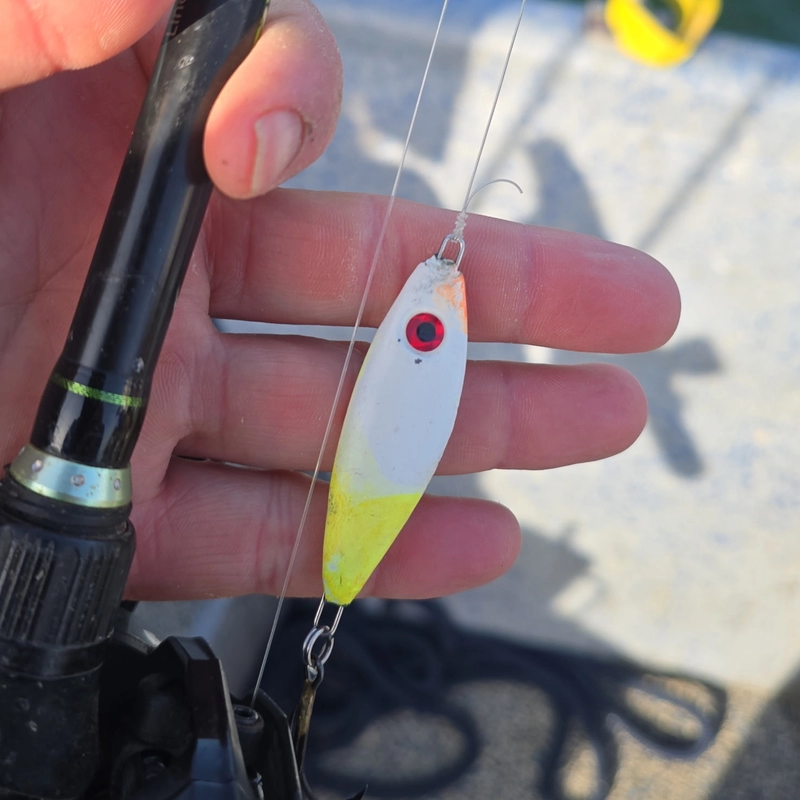
Heavy slab spoons worked directly beneath the boat imitate dying shad and allow anglers to keep their lure inside the strike zone longer.
Electronics become even more valuable because winter fish often stack tightly beneath schools of bait.
Rather than covering large amounts of water, successful guides spend more time locating concentrated schools before making the first cast.
Live bait also shines during cold weather.
Threadfin shad presented vertically or drifted slowly through deep holding areas often produce trophy fish.
Winter winds frequently push plankton toward windblown shorelines.
Shad follow this food source, and stripers are rarely far behind.
Even during the coldest months, paying attention to wind direction can dramatically improve success.
45–55°F: Winter Feeding Begins to Accelerate
As Lake Texoma slowly warms into the mid-40s and low-50s, striped bass begin transitioning from their deep winter pattern toward pre-spawn behavior.
This period is one of the most overlooked opportunities of the year.
Fish are becoming noticeably more active, feeding windows grow longer, and schools begin moving greater distances in search of bait.
The migration generally starts along major river channels leading toward traditional spawning areas in the upper ends of the Red River and Washita River systems.
While many fish remain suspended over deeper water, others begin staging along channel bends, long points, and submerged humps that serve as feeding stations during their gradual movement north.
Anglers often notice larger schools of threadfin shad appearing on electronics during this period. When bait is concentrated near creek channel intersections or secondary points, stripers are usually close by.
Because the fish are feeding more aggressively than they were during the coldest part of winter, guides begin mixing presentations. Vertical jigging with slab spoons remains highly productive, but soft swimbaits, umbrella rigs, and slowly retrieved artificial lures start producing more strikes as well.
Professional guides know that warming trends of just a few degrees can completely change the bite. A stretch of sunny days can pull fish shallower, while a strong cold front may temporarily push them back toward deeper staging areas.
Rather than fishing yesterday’s location, successful Lake Texoma anglers adjust daily to changing water temperatures and bait movement.

55–65°F: Spring Spawn and One of the Best Fishing Periods of the Year
Once Lake Texoma water temperatures reach approximately 55°F, striped bass begin transitioning into their annual spawning migration. This period is one of the most exciting times of the year because fish become increasingly active and predictable.
Unlike many reservoirs, Lake Texoma supports one of the few naturally reproducing striped bass populations in the country. Successful spawning occurs because the Red River and Washita River provide long stretches of flowing water necessary for egg survival.
Although not every striped bass participates in the spawning run, large numbers of mature fish begin moving north toward current, river channels, and tributary arms.
During this transition, anglers often experience outstanding fishing as hungry stripers feed heavily before spawning.
Professional guides closely monitor water temperatures during this period because even a two or three-degree increase can dramatically change fish location.
Fish that were holding on deeper channel edges may suddenly move shallower overnight.
Schools often stage around:
- Main lake points
- Secondary points
- Creek channel mouths
- River ledges
- Flats adjacent to deeper water
- Current breaks
The movement is gradual rather than immediate.
Not every fish reaches the upper rivers at the same time, which means excellent fishing can often be found throughout multiple sections of Lake Texoma.
Understanding the Spring Spawn
Striped bass generally begin spawning when water temperatures reach the upper 50s into the low 60s.
Unlike largemouth bass, stripers do not build nests.
Instead, females release eggs into flowing current while males fertilize them during the spawning run.
The eggs remain suspended in moving water until they hatch.
Without adequate current, the eggs settle to the bottom where survival rates decline significantly.
That unique spawning requirement is one reason Lake Texoma remains such a remarkable fishery.
The Red River and Washita River provide ideal spawning habitat during favorable water conditions.
Even if anglers are not specifically targeting spawning fish, understanding this migration helps explain why large schools suddenly appear in different areas of the lake each spring.
Spring Feeding Patterns
Not every day is spent spawning.
Before and after the spawn, striped bass feed aggressively.
Their metabolism is increasing rapidly as water warms.
Shad schools become more active.
Threadfin shad begin spawning along rocky banks, riprap, marinas, and shallow shoreline cover.
Stripers take full advantage of this seasonal food source.
Early mornings often provide spectacular action around shallow points and flats where baitfish are concentrated.
This is also when anglers begin seeing explosive topwater activity on calm mornings.
When schools push bait to the surface, the action can be fast and unforgettable.
These feeding opportunities may only last a few minutes, making preparation important.
Experienced guides always keep topwater rods ready during spring.
Best Spring Techniques
As water temperatures climb through the upper 50s and low 60s, guides typically rotate between several presentations depending on fish activity.
Live bait remains extremely effective.
Fresh threadfin shad presented beneath planer boards or free-lined behind drifting boats consistently catches fish.
Artificial lures also become increasingly productive.
Popular spring presentations include:
- Paddle-tail swimbaits
- Soft jerkbaits
- Slab spoons
- Bucktail jigs
- Umbrella rigs
- Topwater plugs during surface activity
Rather than relying on one lure all day, experienced anglers adjust throughout changing conditions.
Morning surface feeding may require topwater plugs.
Mid-morning suspended fish often respond better to swimbaits.
Afternoon fish holding deeper may favor vertical jigging with slab spoons.
The key is matching presentations to fish behavior.
Weather Changes During Spring
Spring weather is famously unpredictable in North Texas and southern Oklahoma.
Strong cold fronts can temporarily slow fishing.
Fortunately, they rarely stop it completely.
Instead of leaving an area, stripers usually reposition slightly deeper until stable conditions return.
Warm, sunny afternoons frequently improve the bite following overnight cold fronts.
Wind also becomes a major factor.
Moderate wind pushes plankton toward windblown shorelines.
Threadfin shad follow.
Stripers follow the bait.
Professional guides rarely avoid wind.
Instead, they use it to locate active feeding fish.
65–75°F: Prime Water Temperatures for Lake Texoma Stripers
Many experienced anglers consider 65°F to 75°F the absolute sweet spot for striped bass activity.
Fish metabolism is operating efficiently.
Baitfish are abundant.
Oxygen levels remain high throughout much of the water column.
Stripers feed aggressively and recover quickly after chasing prey.
This period generally stretches from late spring into early summer depending on weather conditions.
Fishing can be exceptional throughout the lake.
Schools may move frequently throughout the day while actively chasing bait.
Electronics become extremely valuable because feeding fish rarely stay in one location for long.
Rather than anchoring all morning, guides constantly monitor sonar while moving between productive areas.
Daily Movement During Prime Temperatures
One reason fishing becomes so productive is that stripers remain active throughout much of the day.
Typical movement patterns include:
Early morning:
- Surface feeding
- Windblown points
- Flats
- Marina entrances
Mid-morning:
- Creek channels
- Suspended bait schools
- Long underwater points
Afternoon:
- Deeper ledges
- Offshore humps
- River channel edges
Evening:
- Shallow feeding flats
- Shoreline bait concentrations
- Surface schooling
Understanding these daily movements allows guides to stay with active fish rather than waiting for fish to come to them.
Following Bait Schools
Professional guides spend far more time watching bait than searching for individual fish.
Healthy schools of threadfin shad usually indicate nearby stripers.
If bait appears nervous, tightly packed, or repeatedly changes direction, predators are often underneath.
Modern sonar clearly displays these relationships.
Successful anglers constantly ask themselves:
Where is the bait?
Once that question is answered, locating stripers becomes much easier.
Best Lures During Prime Water Temperatures
Artificial lure fishing reaches its peak during this temperature range.
Successful options include:
Topwater plugs
Walking baits
Pencil poppers
Swimbaits
Flutter spoons
Slab spoons
Bucktail jigs
Soft plastic paddletails
Guides typically carry dozens of lure colors, but presentation remains more important than color selection.
Keeping lures near actively feeding fish consistently outperforms changing colors repeatedly.
Live Bait Excellence
Fresh threadfin shad remains one of the most productive presentations on Lake Texoma throughout late spring and early summer.
Depending on conditions, guides may:
Drift live bait
Free-line shad
Slow troll
Anchor over suspended schools
Suspend bait above structure
Healthy bait presented naturally often produces larger striped bass than artificial lures.
That consistency explains why many experienced guides continue using live bait even when artificial fishing is excellent.
75–85°F: Summer Pattern
As summer arrives, Lake Texoma water temperatures climb steadily into the upper 70s and low 80s.
Fishing changes dramatically.
The biggest adjustment involves oxygen.
Warm water simply cannot hold as much dissolved oxygen.
Baitfish begin concentrating around depths that provide both comfortable temperatures and adequate oxygen.
Stripers follow.
Rather than roaming randomly, fish become much more dependent on underwater structure.
Understanding the Summer Thermocline
The thermocline becomes one of the most important concepts for summer anglers.
Above it, oxygen remains plentiful.
Below it, oxygen levels often decline significantly.
Fish rarely spend extended periods beneath poorly oxygenated water.
Instead, they suspend just above the thermocline while waiting for opportunities to feed.
Guides use electronics to identify exactly where this layer develops.
Once located, presentations become much more efficient.
Summer Fishing Locations
During hot weather, productive areas often include:
Deep humps
Long ledges
River channels
Creek channels
Submerged points
Standing timber edges
Bridge approaches
Open-water bait schools
Depth varies depending on current lake conditions, but successful anglers focus more on bait and oxygen than any specific number.
Early Morning Opportunities
Before sunrise, water temperatures near the surface cool slightly.
This brief window often creates exciting topwater fishing.
Schools push bait toward the surface.
Bird activity frequently reveals feeding fish before electronics do.
Many summer guide trips begin before daylight specifically to capitalize on this aggressive feeding period.
Surface action may only last thirty minutes.
Sometimes it lasts two hours.
Either way, it is one of the most exciting ways to catch Lake Texoma stripers.
Midday Summer Fishing
Once the sun rises higher, fish typically return to deeper water.
This is when vertical presentations become extremely productive.
Successful techniques include:
Vertical jigging slab spoons
Dropping live shad
Heavy swimbaits
Flutter spoons
Jigging directly beneath suspended bait
Rather than casting long distances, guides often fish almost straight beneath the boat while watching fish react on sonar.
This precise approach consistently produces fish throughout summer.
Boat Positioning Matters
Summer fish are often tightly grouped.
One hundred feet can mean the difference between catching fish and catching nothing.
Professional guides constantly reposition using GPS, trolling motors, and sonar.
Boat control becomes just as important as lure selection.
Remaining directly above suspended schools allows anglers to keep baits inside the strike zone longer.
That simple adjustment often doubles catch rates.
Reading Wind During Summer
Even during hot weather, wind continues helping anglers.
Wind pushes bait toward structure.
Current created by wind stimulates feeding activity.
Points receiving moderate wind frequently outproduce calm shorelines.
Experienced guides rarely overlook wind direction when planning each day’s fishing strategy.
Above 85°F: Hot Weather Strategies for Lake Texoma Stripers
When Lake Texoma water temperatures climb above 85°F, striped bass become much more selective. Fish can still be caught consistently, but anglers must adjust their expectations and fish smarter rather than harder.
High water temperatures reduce dissolved oxygen throughout much of the lake. As a result, stripers spend more time holding near the thermocline, around current, or in areas where baitfish remain healthy.
The most productive fishing windows are usually early morning, late evening, and occasionally after thunderstorms or windy conditions that increase oxygen levels in the upper water column.
Professional guides rarely chase fish during the hottest part of the afternoon unless electronics clearly show active bait and feeding schools.
Instead, they focus on timing.
Fishing the right two hours often produces more fish than spending eight hours on the water.
Protecting Striped Bass During Summer
Warm water places additional stress on striped bass.
Responsible anglers can help protect this incredible fishery by following a few simple practices.
Land fish quickly.
Avoid playing fish for extended periods.
Handle fish with wet hands whenever possible.
Support larger fish horizontally instead of hanging them vertically.
Release unwanted fish immediately.
If harvesting fish for the table, place them on ice as soon as possible.
These simple steps improve survival rates and help maintain Lake Texoma’s outstanding striped bass fishery.
Monthly Lake Texoma Water Temperature Guide
While weather conditions vary from year to year, the following chart provides a general guide to seasonal water temperatures and typical striped bass behavior.
| Month | Approximate Water Temperature | Typical Striper Pattern |
|---|---|---|
| January | 42–48°F | Deep river channels, vertical jigging, slow live bait presentations |
| February | 45–52°F | Winter feeding, staging along channels and points |
| March | 52–60°F | Pre-spawn migration begins, active feeding |
| April | 58–67°F | Spawn, river migration, excellent fishing |
| May | 65–73°F | Prime fishing, topwater begins, swimbaits and live bait excel |
| June | 72–80°F | Outstanding fishing, schooling fish, early morning surface action |
| July | 80–86°F | Thermocline develops, deeper suspended fish |
| August | 83–88°F | Early morning bite, vertical jigging dominates |
| September | 78–84°F | Cooling begins, fish become more active |
| October | 68–78°F | One of the best fishing months of the year |
| November | 58–68°F | Heavy fall feeding, excellent artificial lure fishing |
| December | 45–55°F | Winter transition, predictable deep-water patterns |
Every year is different, so experienced anglers use current water temperatures rather than the calendar alone to predict fish movements.
Best Lures for Every Water Temperature
Matching lure selection to water temperature dramatically improves success on Lake Texoma.
Below 45°F
- Slab spoons
- Live threadfin shad
- Bucktail jigs
- Vertical presentations
45–55°F
- Slab spoons
- Swimbaits
- Live bait
- Umbrella rigs
55–65°F
- Swimbaits
- Live bait
- Topwater plugs during schooling activity
- Bucktail jigs
65–75°F
- Walking topwater plugs
- Pencil poppers
- Paddle-tail swimbaits
- Flutter spoons
- Live threadfin shad
75–85°F
- Slab spoons
- Vertical swimbaits
- Live bait
- Flutter spoons
- Topwater during first light
Above 85°F
- Live threadfin shad
- Heavy slab spoons
- Vertical jigging presentations
- Deep swimbaits
No lure consistently outperforms locating active fish. Electronics, bait location, and water temperature will always be more important than carrying one “magic” lure.
How Professional Guides Adjust to Changing Water Temperatures
One of the biggest differences between experienced Lake Texoma guides and casual anglers is adaptability.
Professional guides don’t launch the boat expecting to fish yesterday’s pattern. Every morning starts with evaluating current conditions.
A guide considers:
- Surface water temperature
- Overnight weather
- Wind direction and speed
- Water clarity
- Generation schedules at Denison Dam
- Recent rainfall
- Baitfish location
- Bird activity
- Sonar observations
These factors determine where the first stop will be—and whether to fish shallow, suspend over open water, or target deep structure.
Successful guides often change locations several times during a trip as fish move throughout the day.
Flexibility consistently catches more fish than stubbornly fishing the same spot.
Local Knowledge Makes a Difference
Lake Texoma covers nearly 90,000 acres with hundreds of miles of shoreline.
It contains countless points, creek channels, humps, river ledges, flats, and submerged structure.
Finding active striped bass without understanding seasonal movement patterns can be overwhelming.
Professional guides spend hundreds of days each year watching how fish react to changing weather and water temperatures.
That local experience shortens the learning curve dramatically.
Instead of spending valuable fishing time searching, clients spend more time catching fish.
Whether conditions call for drifting live threadfin shad over suspended schools, vertically jigging slab spoons on deep structure, or casting topwater plugs to exploding surface fish, experienced guides adjust techniques to match current conditions.
Planning Your Lake Texoma Fishing Trip
Understanding seasonal water temperatures also helps anglers choose the best time to visit.
If your goal is exciting topwater action, late spring through early fall often provides excellent opportunities.
If you enjoy vertical jigging and using electronics to target deep schools, winter and summer can both be outstanding.
Families looking for steady action with live bait frequently enjoy late spring and early summer when fish are feeding aggressively.
Every season offers something unique.
There is no single “perfect” month because striped bass remain catchable throughout the year when anglers understand how water temperature influences their behavior.
Frequently Asked Questions
What is the best water temperature for striped bass on Lake Texoma?
Striped bass are generally most active when water temperatures range from approximately 65°F to 75°F. During this period, fish feed aggressively, baitfish are abundant, and both live bait and artificial lures consistently produce excellent catches.
How does water temperature affect striped bass?
Water temperature influences a striper’s metabolism, feeding activity, spawning behavior, oxygen requirements, and daily movement. As temperatures change, stripers follow baitfish into areas offering comfortable water and adequate dissolved oxygen.
What water temperature do striped bass spawn on Lake Texoma?
Most spawning activity occurs when water temperatures reach the upper 50s into the low 60s. Mature fish migrate into the Red River and Washita River where flowing water provides suitable spawning conditions.
Where do stripers go during the summer?
During hot weather, striped bass typically suspend near the thermocline around river channels, creek channels, humps, ledges, and deep structure where oxygen levels remain favorable and baitfish are concentrated.
Is winter a good time to fish Lake Texoma?
Yes. Winter is one of the most consistent seasons because striped bass often concentrate in predictable locations. Vertical jigging with slab spoons and fishing live threadfin shad can produce outstanding catches.
What is the best bait for Lake Texoma stripers?
Fresh threadfin shad remains one of the most productive live baits throughout the year. Artificial options such as slab spoons, swimbaits, bucktail jigs, flutter spoons, and topwater plugs are also highly effective when matched to seasonal conditions.
Do professional guides fish differently as water temperatures change?
Absolutely. Experienced guides adjust fishing locations, boat positioning, lure selection, bait presentation, and daily schedules based on changing water temperatures, dissolved oxygen levels, weather, and baitfish movements.
Lake Texoma Water Temperature and Striper Behavior
Lake Texoma water temperature is the single most important factor influencing striped bass location, feeding activity, and seasonal movement. As temperatures change from winter through summer, stripers follow threadfin shad and gizzard shad between deep river channels, creek channels, offshore humps, shallow flats, and spawning areas. Anglers who understand these seasonal patterns can consistently choose the right locations, presentations, and fishing techniques throughout the year.
Whether you’re vertically jigging slab spoons during winter, drifting live bait in spring, casting topwater plugs during early summer, or targeting suspended fish around the thermocline during August, matching your strategy to current water temperatures will dramatically improve your success on Lake Texoma.
Texoma Fishing Resources
- Best Time to Fish Lake Texoma
- Lake Texoma Fishing Seasons
- Lake Texoma Live Bait Fishing Guide
- Best Artificial Lures for Lake Texoma Stripers
Bonus Resource
The U.S. Army Corps of Engineers – Lake Texoma is one of the best resources for checking current lake levels, water releases, recreation information, and conditions before your trip. Combining current lake conditions with water temperature trends helps anglers better predict striped bass movements throughout the year.