
Winter Striper Fishing Lake Texoma: Complete Guide to Catching Cold Water Stripers
Winter is one of the most overlooked seasons for striped bass on Lake Texoma. While many anglers put their boats away after deer season, experienced striper guides know that some of the most consistent fishing of the year happens when water temperatures drop into the 40s and 50s. Before your trip, review the latest Texas Parks and Wildlife Department fishing regulations to stay current on Lake Texoma requirements and licensing information.
The challenge isn’t finding fish. The challenge is understanding how winter stripers behave and adjusting your presentation to match their mood. Anglers willing to slow down and fish methodically can experience outstanding action throughout the winter months.
Quick Answer
Winter striper fishing on Lake Texoma is best when anglers locate large schools of baitfish and present slow-moving lures directly through suspended fish. Dead sticking 3-inch to 5-inch flukes and jerk shad near deep bait schools is one of the most productive winter techniques. Most striped bass spend winter following threadfin and gizzard shad in deeper water and can be caught consistently with the right electronics, boat positioning, and patience.
Why Winter Can Be One of the Best Times to Fish Lake Texoma
Many anglers assume cold weather means slow fishing. On Lake Texoma, that isn’t always true.
Striped bass remain active throughout winter because they are constantly feeding on shad. Unlike some species that become dormant, stripers continue chasing baitfish and often concentrate into predictable areas.
The biggest advantage of winter fishing is reduced fishing pressure. Boat traffic is minimal, popular areas are less crowded, and fish are often less pressured than they are during spring and summer.
Winter also tends to group baitfish into large schools, making predator fish easier to locate once you understand the pattern.
Understanding Winter Striper Behavior
Striped bass are driven by baitfish.
During winter, large schools of threadfin shad and gizzard shad move into deeper portions of the reservoir. Stripers follow these bait concentrations and often suspend beneath or beside them.
Water temperatures typically range from the upper 40s to upper 50s throughout the season. As temperatures decline, stripers become less willing to chase fast-moving lures.
This is why slow presentations become so effective.
Rather than aggressively pursuing bait over long distances, winter stripers often hold near bait schools and wait for easy feeding opportunities.
When you locate bait, you’re usually close to fish.
Where Winter Stripers Spend Their Time
Winter stripers can be found throughout Lake Texoma, but several areas consistently produce fish.
Major river channels are prime locations because they provide depth, stable temperatures, and large concentrations of bait.
Long points adjacent to deep water also attract winter fish. These areas allow stripers to move vertically without traveling far.
Creek channels feeding into the main lake frequently hold schools of shad throughout winter.
Deep flats near channels can also become productive when baitfish move onto them during stable weather patterns.
Rather than focusing on a specific GPS location, successful anglers focus on finding bait.
The fish will tell you where they want to be.
The Importance of Baitfish During Winter
Winter fishing on Lake Texoma often comes down to one thing.
Find the shad.
Large schools of threadfin and gizzard shad are the foundation of the winter striper pattern.
Modern electronics allow anglers to identify huge bait balls suspended over deep water. These schools may appear as dense clouds on sonar.
When stripers are present, you’ll often see arches, streaks, or clusters around the edges of these bait schools.
Some days fish position underneath the bait.
Other days they suspend directly inside it.
Understanding this relationship is critical to consistent winter success.
Dead Sticking Flukes and Jerk Shad
If there is one technique that consistently produces winter stripers on Lake Texoma, it is dead sticking.
Dead sticking involves presenting a soft plastic fluke or jerk shad and allowing it to remain nearly motionless in the strike zone.
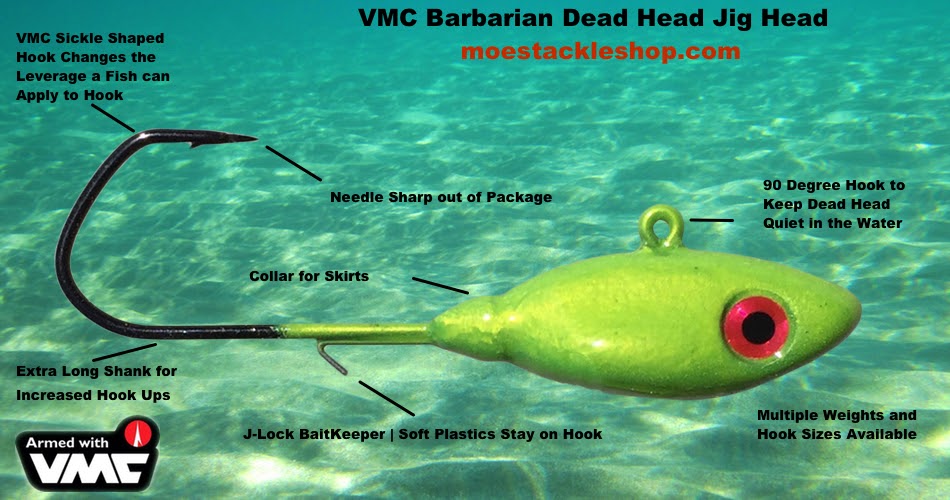
Many anglers use 3-inch, 4-inch, and 5-inch flukes rigged on jigheads appropriate for the depth being fished.
After lowering the lure to the fish, very little action is applied.
Small twitches, subtle rod movements, and long pauses are often all that’s needed.
The presentation imitates a dying shad struggling near the school.
Winter stripers frequently prefer this easy meal over chasing faster moving lures.
Patience is the key.
Many bites occur while the lure is sitting nearly still.
Best Artificial Lures for Winter Stripers
While dead sticking is often the top producer, several other lures remain effective during winter.
Soft Plastic Flukes
These remain the top choice for many experienced Texoma guides.
Natural shad colors consistently produce.
Jerk Shad Style Plastics
The realistic profile closely matches winter forage and excels when fish are suspended.
Slab Spoons
When fish are holding tight beneath bait schools, slab spoons can trigger reaction strikes.
Underspins
A slow-rolled underspin can imitate a struggling baitfish and produce well during warming trends.
Alabama Rigs
These can be effective when fish become more aggressive and begin actively chasing schools of shad.
The most important factor is matching lure speed to fish activity.
Slow presentations generally outperform aggressive retrieves during winter.
Using Electronics to Locate Winter Fish
Electronics have changed winter striper fishing dramatically.
Modern sonar allows anglers to identify baitfish schools, suspended stripers, and depth changes with incredible accuracy.
Side imaging can help locate bait concentrations before driving directly over them.
Forward-facing sonar has become especially valuable for winter fishing because anglers can watch fish react to presentations in real time.
Rather than fishing empty water, successful anglers spend their time hunting bait and confirming fish locations before making presentations.
The result is more efficient fishing and more fish in the boat.
Boat Positioning Matters
Boat control becomes extremely important during winter.
Once fish are located, maintaining position over or near the school is critical.
Wind can quickly push a boat away from fish.
Many guides rely on GPS-enabled trolling motors to maintain position while working suspended fish.
Keeping presentations directly above fish often makes the difference between a productive day and a frustrating one.
Winter stripers are frequently concentrated into relatively small areas.
A movement of twenty or thirty feet can take your lure completely out of the strike zone.
How Weather Affects Winter Fishing
Weather changes can dramatically impact winter striper fishing.
Stable weather patterns often produce the most consistent action.
Several days of similar temperatures allow fish to establish predictable feeding routines.
Strong cold fronts may temporarily slow the bite.
However, Lake Texoma stripers rarely stop feeding entirely.
Warming trends frequently trigger increased activity.
Even a few degrees of warming water can improve fishing conditions.
Wind can also play a positive role by concentrating baitfish and creating feeding opportunities.
Many experienced guides actually welcome moderate wind during winter.
Monthly Winter Breakdown
December
December often offers outstanding fishing.
Water temperatures continue cooling, bait schools become concentrated, and stripers begin settling into predictable winter patterns.
Dead sticking and vertical presentations typically become increasingly productive.
January
January is usually the coldest month on Lake Texoma.
Fish often hold deeper and remain closely associated with bait schools.
Patience becomes extremely important.
Slow presentations consistently outperform fast-moving tactics.
February
February can produce some of the year’s best fishing.
Warming trends begin influencing fish behavior.
Stripers often become more aggressive and may feed heavily before spring patterns develop.
Many experienced Texoma anglers look forward to February every year.
Guide Tips for Winter Success
Dress for the weather and focus on fishing comfortably.
Cold anglers often leave productive water too soon.
Spend more time searching than casting.
Finding bait is usually more important than changing lures repeatedly.
Keep multiple fluke sizes available.
Some days fish prefer a smaller profile while other days a larger bait produces better results.
Trust your electronics.
If fish are present, stay patient and continue presenting your lure through the school.
Winter bites can come in flurries.
A slow morning can quickly become an excellent afternoon.
Planning a Winter Striper Trip on Lake Texoma
Winter weather can change quickly on Lake Texoma.
Always monitor forecasts before launching.
Wear a quality life jacket and cold-weather clothing.
Fish with reliable electronics whenever possible.
Bring extra layers, rain gear, and plenty of warm clothing.
Winter fishing often rewards preparation.
Many anglers are surprised by how productive the season can be once they experience it firsthand.
Conclusion
Winter striper fishing on Lake Texoma rewards anglers who understand fish behavior and adapt to cold-water conditions.
Finding baitfish remains the foundation of success. Once schools of shad are located, slow presentations such as dead-sticked flukes and jerk shad become incredibly effective.
The anglers who consistently catch winter stripers are rarely the ones fishing the fastest. They are the anglers who stay patient, trust their electronics, and keep their bait in front of fish.
For many experienced guides, winter is not the offseason.
FAQ
Is winter a good time to catch striped bass on Lake Texoma?
Yes. Winter is one of the most consistent seasons because stripers concentrate around large schools of shad and become easier to locate with electronics.
What is the best winter lure for Lake Texoma stripers?
Soft plastic flukes and jerk shad fished with a dead-stick presentation are among the most productive winter techniques.
How deep are stripers during winter on Lake Texoma?
Depth varies daily, but many winter fish suspend around bait schools in deeper portions of the reservoir near river channels and creek channels.
What water temperature is best for winter striper fishing?
Many productive winter patterns occur when water temperatures range from the upper 40s to upper 50s.
Do stripers feed after cold fronts?
Yes. Fishing may slow temporarily, but Lake Texoma stripers continue feeding throughout winter.
Can beginners catch winter stripers?
Absolutely. Using quality electronics, locating baitfish, and fishing slow presentations gives beginners an excellent chance of success.
Winter Striper Fishing Resources
Understand Winter Striper Behavior
- Lake Texoma Fishing Seasons
- How Weather Affects Striper Fishing on Lake Texoma
- Where to Fish Stripers on Lake Texoma
Find More Winter Stripers
Top Lake Texoma Fishing Guides — Texas & Oklahoma
Ready to plan your Lake Texoma fishing trip? Call 503-979-8253 to explore available guides and book with confidence.
There’s no pressure — just clear information and direct access to trusted local professionals.